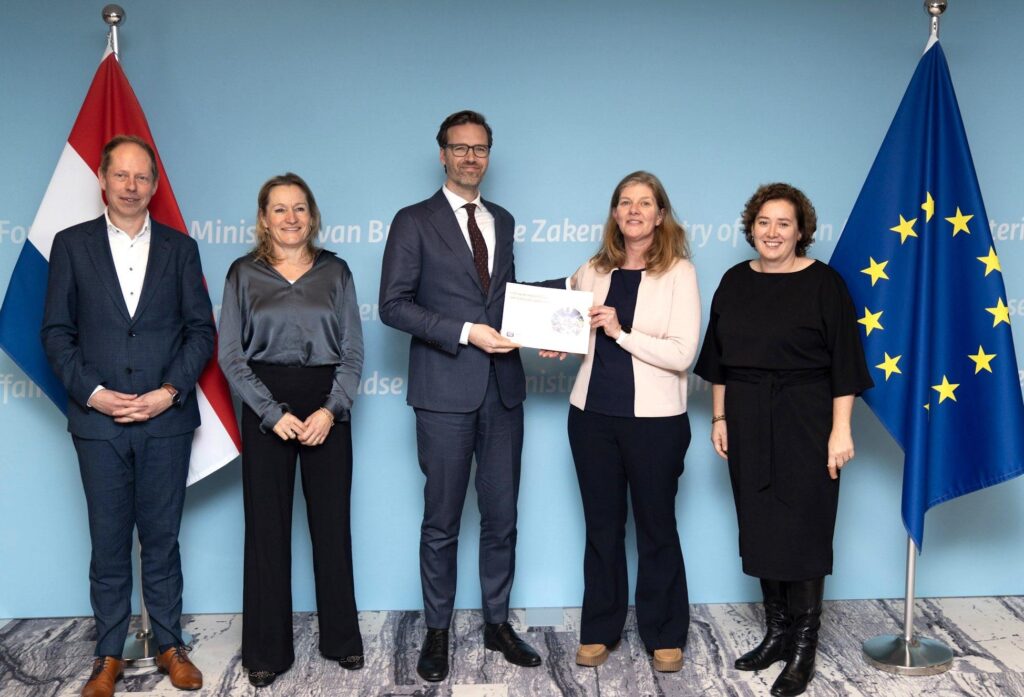
Partos emphasised the importance of a strong civil society for humanitarian aid, tackling global challenges and mobilising public engagement in international cooperation. This requires a fundamentally different approach to cooperation: locally led, based on partnerships of equals and international law, and with decision-making power vested in organisations and communities in partner countries.
International cooperation calls for a different way of working
Opportunities, resources, and power are unevenly distributed across the world. The geopolitical situation is changing rapidly, and the number of serious crises is on the rise. For decades, people and organisations have been working towards a fairer world, with international cooperation serving as a key instrument.
International cooperation has achieved a great deal, for example in reducing child mortality and extreme poverty. At the same time, poverty and inequality are still far from being overcome. This raises the question of how international cooperation can contribute even more effectively to structural change, alongside alleviating acute needs.
Partner countries, too, are increasingly voicing a desire to have greater say over the choices, resources and priorities that determine their own future. Within international NGOs, there is also a growing movement to put organisations and communities in partner countries firmly in the driving seat. This offers opportunities for equitable partnerships and collaboration.
A new perspective on international cooperation: locally led development as a starting point
Simply adapting the way we work is not enough. Current and future global developments call for a different way of thinking, organising and working together. Innovative practices are already emerging within the sector, and there is a growing willingness to engage in critical self-reflection: what works, what should we let go of, and what will take its place? Innovation will succeed if the sector, together with donors and partners, embraces this with a clear vision.
At the heart of this vision for the future lies locally led development. Organisations and communities in partner countries are not recipients of aid, but equal partners and co-investors in a shared world. They contribute knowledge, resources, networks and leadership. This means that they have a genuine say in how resources are allocated, the choices to be made and the definition of success. This gives localisation a new perspective.
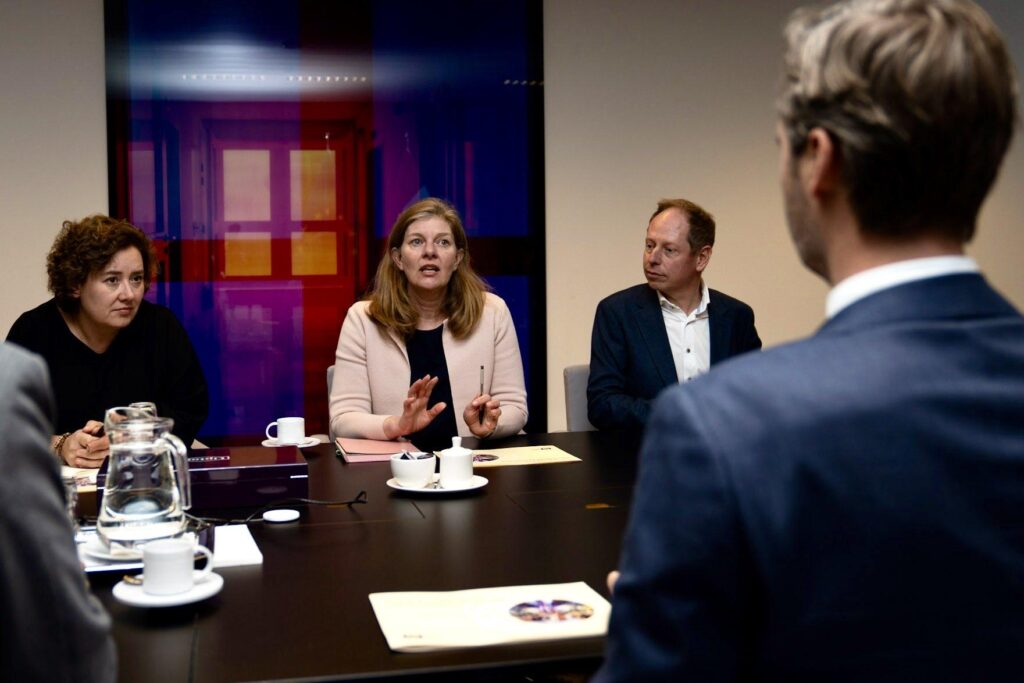
During the discussion with the Minister, the specific demands this change places on international organisations were also addressed. For example: no longer determining what happens in programmes on the basis of funding, but actually transferring decision-making power. It also requires long-term relationships and funding that align with the needs and ambitions of local organisations and institutions.
A future-proof role for civil society
Civil society remains indispensable to international cooperation. However, the way in which civil society organisations fulfil their role will change. In addition to providing humanitarian aid, mobilising civic engagement and strengthening social and political support for international cooperation are becoming increasingly important.
This also calls for new connections and coalitions. After all, today’s global challenges affect many different groups and sectors. Collaboration with, amongst others, young people, businesses, knowledge institutions and other civil society actors can contribute to broader support and new perspectives on international cooperation.
Eight recommendations from the Partos network
Partos envisages a two-sided approach to international cooperation for the future. On the one hand, there is international (emergency) aid, rooted in compassion and solidarity. On the other hand, there is international cooperation aimed at systemic change and the prevention of exploitation and oppression, rooted in justice.
These approaches complement one another. Together, they link values and interests and constitute a strategic investment in peace, security, economic stability and sustainable development.
Based on this vision, Partos sets out eight guiding recommendations for future Dutch BHOS policy:
- Global challenges call for more international cooperation, not less.
- Human rights and the international legal order must remain the guiding principles.
- The transitions of our time call for new coalitions.
- Partnerships based on equality must be the new starting point.
- Policy coherence is a prerequisite for credible international policy.
- Resilient societies require strong institutions.
- Invest systematically in global citizenship as the basis for public support.
- Strengthen the EU’s position as a reliable and credible partner.
With this vision and these recommendations, Partos aims to contribute to charting the course for international cooperation towards 2040. A future in which equality, solidarity and justice take centre stage and in which civil society organisations, together with partners worldwide, contribute to a just and sustainable world.
We are continuing this dialogue, even beyond our own network. Together with new coalitions, we want to build a broad civil society movement for a new future of international cooperation.
Photos: Ministry of Foreign Affairs