The Power to You(th) programme stepped up at this moment with a clear purpose: to make youth leadership both visible and influential. The consortium cooperated with 14 youth-led organisations, bringing together complementary strengths. Amref used its credibility to open doors in national health and rights spaces. The organisations mobilised young people and built trust in local communities. Sonke Gender Justice ensured that gender equality and the transformation of harmful norms were woven into every action. Together, they created a unique, more effective, approach.
They started by equipping young people from civil society groups with advocacy and leadership skills. Training was paired with real opportunities to speak and act in decision-making forums. Platforms were created at regional level where youth could engage directly with authorities. Mentorship initiatives, like Ci Laa Bokk, identified promising young leaders and connected them with political and civic networks. Activities intentionally included young women and encouraged them to take on leadership roles, challenging gender norms in spaces long dominated by men.
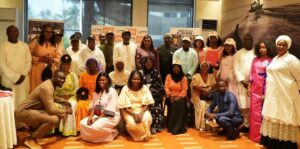
Each organisation played a different role, but their combined efforts gave young people the skills, legitimacy, and platforms to lead. This collaboration helped young leaders like Ibrahima Thiam grow from participating in programme activities to becoming Senegal’s Secretary of State for Enterprise and Small Business. As Papa Makha Nguer Seck from Association des Relais Polyvalents de Thies reflected: “We try to identify emerging young leaders, build their capacity, and give them advice on youth participation. Even if he had not become Secretary of State, we knew Ibrahima was going to be someone important.”
The results are visible across the country. Young leaders trained by the programme have been elected as parliamentarians, deputy mayors, and council members. In the Matam region, intergenerational dialogues between elders, parents, and adolescents have helped end female genital mutilation in 12 districts where the programme is active. Young women such as Fatima Mamadou Lamine Sy have moved from leading community groups to winning public office, bringing youth perspectives into municipal decision-making. “The Power to You(th) programme has strengthened my leadership,” she said. “I have been able to inspire young people to advocate for their inclusion in decision-making bodies. I am determined to carry the fight for the autonomy and dignity of all women and girls.”
Young people are now present in municipal budget meetings, legislative hearings, and national policy consultations—forums that were once entirely closed to them. Participation targets at every level have been met ahead of schedule, and young women now hold most gender focal point positions.
“The Power to You(th) programme has strengthened my leadership. I have been able to inspire young people to advocate for their inclusion in decision-making bodies. I am determined to carry the fight for the autonomy and dignity of all women and girls.”- Fatima Mamadou Lamine Sy, Youth Leader and Municipal Official
To ensure these gains last, the programme has embedded youth representation into local governance structures, linked trained leaders with political parties and ministries, and encouraged government committees to adopt and expand youth-led initiatives. Mentorship continues so that each generation of leaders trains the next.
Three lessons stand out from Senegal’s experience. First, leadership skills are most effective when paired with access to recognised decision-making spaces. Second, engaging traditional and political gatekeepers early helps secure lasting acceptance of youth leadership. Third, diverse partnerships unlock change that no single actor can achieve alone.
Today, Senegal’s young leaders are proving that meaningful participation is not symbolic—it is structural, sustained, and transformative. Through collaboration, persistence, and a shared belief in the power of youth, the consortium has ensured that young people are not just preparing to lead in the future; they are shaping the Senegal of today.