

For years, the women of Kanyenje village in Meru, Kenya, began their days at dawn, trekking over three kilometres to collect water from an open spring shared with livestock. The queues were long. The water was unsafe, and the hours lost were countless. Pan African Climate Justice Alliance (PACJA), one of the most vibrant and largest civil society platforms on climate change and sustainable development, stepped in and transformed this situation.
The women in the Kanyenje community recall how water collection consumed their mornings, leaving them exhausted by noon. They often carried children on their backs or had them tagging along during the long walks, which drained their energy and robbed the children of valuable study time. This constant burden often affected school attendance and performance.
Severe water crisis in Kenya
Kenya faces a serious water crisis. According to UNICEF, 9.9 million people drink directly from contaminated surface water sources, while an estimated 5 million people practice open defecation. For women and children in rural communities like Kanyenje, water collection translates to a daily burden that affects health, productivity, and education.
Change began in 2022. Through PACJA’s African Activists for Climate Justice (AACJ) project, the Kanyenje spring was restored, and with it, the dignity and well-being of the entire community.
“This was more than a water project. It was about climate justice, community ownership, and restoring the rights of women and groups in vulnerable situations to live with dignity,” says Grace Alupo, head of AACJ’s Program Management Unit (PMU). “We saw a community ready to lead the change. Our role was to support them, connect partners, and ensure they had the tools and knowledge to protect their environment.”
Community participation is key
The process was rooted in community participation. Through open village meetings (barazas), residents prioritised wetland protection. Women, youth, and the elderly were included in the planning. With PACJA mobilising resources through the Climate Justice Impact Fund for Africa (CJIFA), and with technical support from the county government, a once-degraded spring became a hub of regeneration. CJIFA was established to accelerate transformative climate action, reinforce the imperatives of climate justice, and amplify the voices of communities at the frontline of African climate crises.
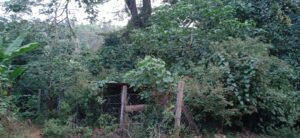
Now, over 200 households have access to safe, clean water, transforming daily life for families, especially women who no longer spend hours fetching water. The long queues that once defined the spring are a thing of the past, and with the area now protected from livestock, contamination has been eliminated, significantly improving public health.
Thriving ecosystem
Ruth Kawira, a community mobiliser, noted that beyond water access, the surrounding wetland has been revitalised into a thriving ecosystem, restoring biodiversity and contributing to environmental resilience.
“The new Kanyenje springs has not only provided adequate water to the surrounding community but also created a home for birds and other small animals. Many native trees and wild fruits have regenerated, providing food for animals and the surrounding communities.”
To ensure the sustainability of the project, the community established a dedicated Water, Sanitation and Hygiene (WASH) committee to oversee the maintenance and protection of the spring and its surrounding ecosystem.
Proud to be the spring’s custodian
Sustainability is at the heart of the initiative. Through environmental education and inclusive decision-making, the community has embraced its role as the spring’s custodian. The local leadership is equally proud of the transformation that has taken place. According to a local leader, “PACJA brought not just funding but trust, trust in our people’s ability to lead, and they worked with our county structures to align this initiative with broader climate and development goals.”
“We saw a community ready to lead the change. Our role was to support them, connect partners, and ensure they had the tools and knowledge to protect their environment.”
This alignment with local governance has not only strengthened the spring’s protection but also ensured that the intervention aligns with the county’s long-term vision for sustainable development. Kanyenje’s success is now inspiring neighbouring communities to explore similar interventions. The wetland, once neglected and grazed bare, is now a thriving symbol of what can happen when climate action is locally led and community-owned.
Resilience begins by reclaiming the right to clean water and a better future
For the women and children of Kanyenje and the surrounding communities, this will remain a transformative chapter in their lives. As climate change continues to threaten water security across Africa, the story of Kanyenje Spring stands as proof that when communities are at the forefront of projects, they can build resilience,. Not only against climate change, but against generations of inequality and neglect. Resilience begins with a woman, a family, a village reclaiming their right to clean water and a better future.
Resilience begins with a woman, a family, a village reclaiming their right to clean water and a better future.